 Skip to content
Introduction
The moon phase soulmate test began as a quiet TikTok trend before psychic astrologer communities embraced it. Rooted in astrology, it asks: Did the phases of the moon at your birthday mirror someone else’s birth moon phase?
What makes this TikTok effect genuinely fascinating is how compatibility gets measured — not by sun signs but by celestial alignment. The closer the match, the stronger the supposed soulmates’ connection, according to spiritual advisor traditions and modern astrology practitioners alike.
What Is the Moon Phase Soulmate Test?
The moon phase soulmate test invites you to plug in your birthday alongside someone else’s birthday and observe how their birth moon phases align. It’s less a verdict and more a visionary mirror of relational energy.
Better compatibility isn’t guaranteed by a perfect overlap, but being born under complementary lunar cycles does suggest an energetic resonance. Spiritual advisor voices and professional advice columns consistently note its value as a reflective, forward-looking relationship tool.
How to Do the Moon Phase Soulmate Test (Step-by-Step)
Open TikTok, activate the Moon Phase Test effect via the search function, and tap Use this effect. On the video recording screen, enter birthdays for both people, then hit record to watch the moon phases align like puzzle pieces.
Alternatively, visit a moon phase calendar site, tap date fields for each birthdate, download or screenshot the result, then crop and compare using the CapCut app with a ready template. Layering phases visually reveals whether they fit together into one complete full moon picture.
Moon Phase Compatibility Chart: All 8 Phases Paired Together
The eight phases — new moon, waxing crescent, first quarter, waxing gibbous, full moon, waning gibbous, last quarter, waning crescent — each carry distinct relational signatures. Understanding their cycle is essential before reading any soulmate compatibility result.
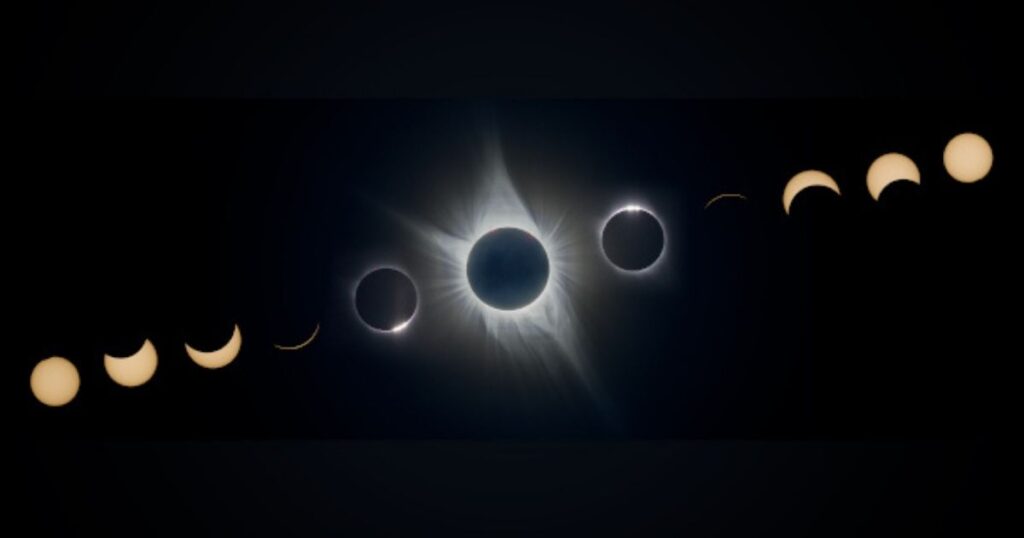
NASA confirms the moon‘s orbit around Earth determines each phase based on reflected light from the sun hitting the moon’s surface at varying positions. Practically, only complementary pairings — full moon with new moon, third quarter with first quarter — perfectly match as compatible lunar opposites.
What If Your Moon Phases Don’t Align?
A waning crescent paired with a waxing gibbous may not overlap neatly, yet that gap reveals something worth exploring. Reflectiveness, determination, and independence can bridge what the lunar calendar doesn’t naturally align on its own.
A waning gibbous person’s logical, level-headed nature, paired with someone adventurous and first-quarter-driven, creates productive tension. Forgiveness, compassion, and willingness to overcome resistance matter far more than whether two phases form a flawless full moon together.
Moon Phase Soulmate Test vs. Synastry — What’s the Difference?
Synastry — the astrology of relationships — maps birth charts against each other, examining Mercury, Venus, Mars, planetary alignments, and houses to decode a complex puzzle of relational dynamics far beyond one moon sign.
The moon phase soulmate test is one small piece of that astrological makeup. A professional astrologer weighs ascendant, natal moon, Venus, the planet of romance, and Mars passion together — treating natal chart data as a full celestial insight rather than a single zodiac sign snapshot.
Famous Couples and Their Moon Phases
Consider a full moon personality — intense, passionate, ambitious, and energetic — paired with a new moon native who craves fresh starts and independence. This dynamic duo pattern appears repeatedly among long-lasting, high-profile celebrities and public partners.
A waxing crescent partner’s quiet optimism and hope complement the waning crescent old soul‘s peaceful, reliable nature beautifully. Sports figures, politicians, and CEOs documented in publications often unknowingly reflect these birth moon phase pairings in their most fulfilling relationship bonds.
Is the Moon Phase Soulmate Test Accurate? What Astrologers Say
Most practitioners agree: it’s fun, a genuine spark for discussion, and far more than a throwaway social media trend. Its controversial reputation stems from pop astrology reducing it to visual appearance — the night sky aesthetic — over emotional tone and innate energy.
A seasoned astrologer won’t call it a make-or-break, but won’t crown it a once-in-a-lifetime partner detector either. Astrological compatibility demands pertinent elements — sun signs, moon sign, personality traits, astrological makeup — before declaring someone a twin flame or dismissing unsupported points as mere New Age phenomenon, cringe.
FAQs
What exactly is the moon phase soulmate test?
The moon phase soulmate test is a TikTok effect that compares the birth moon phase of two people by entering each person’s birthday. It reveals whether your lunar cycles share a meaningful connection or compatibility pattern.
How accurate is the moon phase soulmate test?
It is fun and culturally engaging, but most astrologers caution against treating it as a definitive, accurate verdict. Consider it one layer of astrological compatibility rather than a complete romantic relationship compass.
What happens if our moon phases don’t align perfectly?
Misaligned moon phases don’t signal incompatibility. A waning crescent and waxing gibbous pairing, for instance, can thrive through trust, compassion, and forgiveness — qualities that matter far more than a perfect lunar overlap.
Which moon phases are the most compatible soulmate matches?
Full moon pairs naturally with new moon, while the third quarter aligns with the first quarter. A waning gibbous resonates with both a waxing gibbous match and a last quarter match, creating a deeply balanced nature and thoughtful bonds.
Can the moon phase test identify a twin flame?
The test can hint at twin flames energy, particularly when full moon and new moon dynamic duo patterns emerge. However, a professional astrologer examining full birth charts provides far deeper celestial insight into once-in-a-lifetime partner potential.
Is the moon phase soulmate test just a New Age phenomenon?
Critics call it a New Age phenomenon with unsupported points, and some find its viral framing pure cringe. Yet its roots in astrology of relationships and natal chart reading give it more substance than a passing social media trend.
What is the difference between a soulmate and a twin flame in lunar astrology?
A soulmate offers peaceful, reliable companionship — like a waning crescent old soul energy. A twin flame tends toward intense, passionate friction that accelerates transformation and change, often reflecting last quarter or full moon volatility.
Should I use synastry instead of the moon phase test?
Synastry examines Mercury, Venus, Mars, planetary alignments, houses, and natal moon together — a complex puzzle of astrological makeup. The moon phase test is one small piece; synastry is the complete picture of the birth charts.
What does being born under a waning crescent mean for love?
Born under a waning crescent, you are an old soul — spiritual, intuitive, and carrying no illusions about love or life. You seek friends and partners who remain steady through turbulent, difficult times of trouble.
Can this test work for friendships, not just romantic relationships?
Absolutely. A waxing crescent person’s hope, enthusiasm, and support energy pairs beautifully with a first quarter friend’s courageous, motivated drive. Fulfilling relationship energy is not exclusive to romance — partnerships of all kinds benefit from lunar awareness.
What do politicians and celebrities say about lunar compatibility?
While politicians, sports figures, and CEOs rarely publicly endorse it, many high-profile celebrities featured in major publications have participated in the TikTok trend. Their born lunar profiles often reflect classic compatible pairing patterns documented by psychic astrologer practitioners.
Is there scientific backing behind the moon phase soulmate concept?
NASA confirms the moon‘s orbit around Earth and how reflected light from the sun determines each phase by position. The science stops there — the soulmate layer is spiritual, drawn from metaphysical ministry and tarot card readings traditions, not empirical research.